Summer in Wood River brings long, humid afternoons and nights when a working air conditioner is not a convenience, it is essential. Homeowners and small-business operators who postpone routine checks often learn the hard way: a failed compressor, a leaking coil, or a frozen evaporator can mean a week or more of discomfort and emergency expense. Regular tune-ups are the single most effective way to reduce that risk, extend the life of your system, and keep energy bills from climbing every year.
When I first started working in the field, I saw two types of people. One type treated their HVAC system like a car they never serviced until the engine seized. The other scheduled modest, predictable maintenance and enjoyed steady, trouble-free performance for a decade or more. The difference was not always brand-new equipment. Often it was attention. An annual visit from a trained technician catches small problems before they balloon into failures, saves money, and keeps indoor air quality acceptably high.
Why tune-ups change outcomes
A typical AC tune-up focuses on the pieces that either suffer from wear or accumulate debris. Condensers at ground level collect grass clippings and leaves, coils get a fine film that reduces heat transfer, filters clog with dust, and fan motors lose lubrication. Each of these issues reduces efficiency. Lower efficiency means the system runs longer to achieve the same indoor temperature, which raises energy costs and accelerates component wear. A technician that inspects electrical connections, measures refrigerant charge, and verifies airflow is applying preventive care that directly maps to longer equipment life and fewer emergency repairs.
There is also a safety angle. Refrigerant leaks erode performance and, in the case of older systems using certain refrigerants, demand careful handling and prompt repair. Loose electrical connections can create heat and risk failures or component burnout. A professional tune-up identifies both the performance and safety risks and addresses them before they cause a breakdown or create an unsafe condition.
What a quality tune-up covers
Not all tune-ups are equal. A meaningful service visit includes an inspection and several measurable checks. Fluids are not the focus the way they are for cars, but refrigerant level is crucial. A system undercharged or overcharged with refrigerant does not cycle correctly and will either freeze up or short cycle. Technicians also measure superheat and subcooling when appropriate, Emergency AC repair near me bwheatcool.com check amp draws on motors, AC maintenance in Wood River IL bwheatcool.com test capacitors, and AC installation in Wood River confirm that the thermostat and controls respond properly.
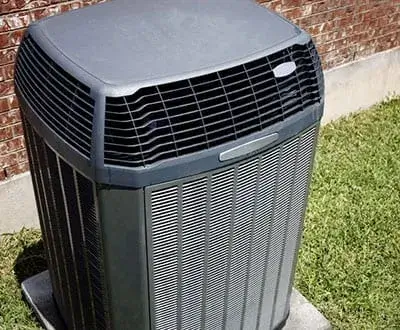
Beyond measurements, a technician should clean the condenser fins, straighten bent fins when necessary, and clear debris from around the outdoor unit. Indoor coils should be inspected and cleaned if needed, the condensate line checked for clogs, and filters either replaced or documented if the homeowner supplies them. The blower wheel and motor are inspected for dust buildup, and belts are checked if present.
Practical checklist of the top preventive tasks
- replace or inspect filters, clean coils, check refrigerant charge, tighten electrical connections, and clear condensate lines
This small set of tasks addresses the points that most commonly lead to failure and inefficiency. Doing these every spring before the heavy use season starts gives the best ROI. For central systems that serve large spaces, semiannual checks may be worth the cost. For smaller residential systems, an annual spring tune-up is typically sufficient.
Cost benefits and energy savings
Homeowners often balk at the service fee until they consider the alternatives. A compressor replacement can run into the thousands, and a premature replacement halves the expected lifespan of a system. Routine maintenance reduces operating costs; industry studies and field experience show well-maintained systems use 5 to 15 percent less energy than neglected units. On a house that spends $150 to $300 per month to cool in peak summer, that percentage converts to real savings over a season.
Consider a real example from a Wood River job I remember. A two-ton system serving a bungalow AC Repair Wood River IL B & W Heating & Cooling had been running roughly 40 percent longer per day than comparable homes on the block. A standard tune-up, refrigerant adjustment, and cleaning dropped run time by 25 percent. The homeowner saw a 12 percent reduction in monthly cooling costs the first summer after service. The tune-up cost less than half of the first year’s energy savings, and the homeowner avoided a compressor failure that would likely have occurred within 18 months.
Signs you should call for service now
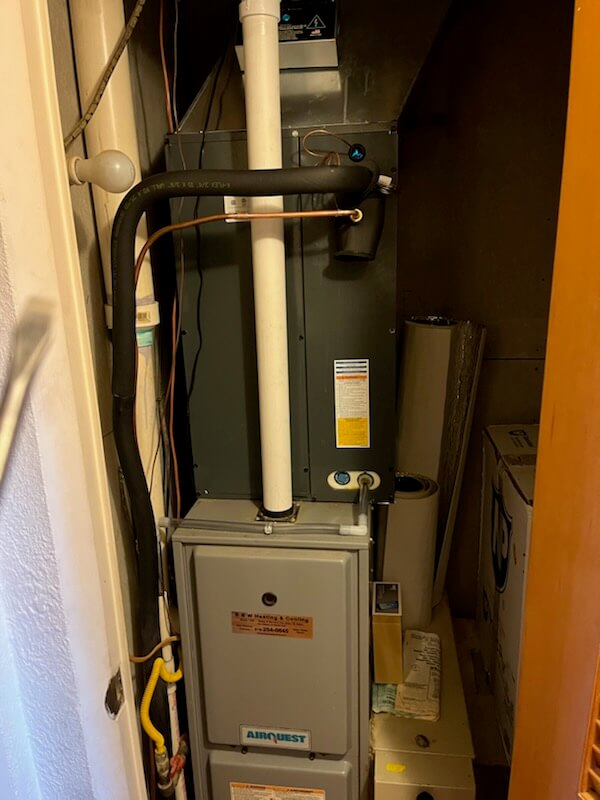
- reduced airflow from vents, uneven cooling across rooms, strange noises such as grinding or hissing, sudden spikes in energy bills, and frequent short-cycling
Any one of these symptoms should prompt a service call rather than waiting for an annual visit. Short-cycling, for example, often indicates an airflow problem, dirty coils, or an incorrect refrigerant charge. Running the system in that state stresses the start-run components and increases the chance of capacitor or compressor failure. A trained technician can diagnose the root cause and recommend targeted repairs.
Trade-offs: DIY versus professional service
There is a place for homeowner involvement, but it is limited. Changing filters, keeping the area around the condenser clear, and checking thermostat settings are effective and should be routine. Attempting to service refrigerant systems, handle electrical connections, or adjust complex controls without training is risky and, in many jurisdictions, illegal for anyone without certification.
Professional service carries cost, but it also brings calibrated instruments and institutional knowledge that DIY cannot match. A technician can interpret subtle signs such as a marginal capacitor that will fail under a heatwave, or a compressor that is developing internal wear. When the stakes include a multi-thousand-dollar component and the potential for household discomfort, the incremental cost of professional inspection is justified.
Seasonal timing and scheduling
Plan your tune-up for early spring, ideally 3 to 6 weeks before you anticipate heavy use. That timing allows any necessary repairs or parts replacement to occur without the pressure of a heat wave. Some homeowners schedule a second visit in fall if the system also handles heat, to ensure the reversing valve, electric heat strips, or furnace components perform properly before winter.
For properties in rental cycles, or for small businesses with steady cooling needs, semiannual maintenance may be the sensible choice. Heavy dust environments, houses with pets, or systems with poorly sealed ductwork benefit from more frequent attention because filters and coils load up faster, increasing performance loss.
Ductwork, indoor air quality, and comfort beyond temperature
Focusing only on the outdoor unit misses a critical part of the comfort puzzle. Poorly sealed ductwork, drafty doors, and undersized returns create room-to-room imbalance, forcing the system to work harder. A tune-up that includes a brief duct inspection and pressure check will find obvious leaks or disconnected joints. Those fixes are typically inexpensive and return palpable comfort improvements.
Indoor air quality also benefits indirectly from maintenance. A clogged drain pan or wet media can grow biological contaminants, and dirty coils can blow particulates into the living space. Replacing filters and ensuring proper condensate flow reduces those risks. For households with allergies, consider upgrading to a higher MERV filter if the system and blower motor can accommodate the increased resistance.
What to expect from a reputable provider
A trustworthy technician documents findings and provides a clear report of what was inspected, what measurements were taken, and any recommended repairs. Expect a verbal walk-through accompanied by a simple written checklist or invoice that explains the issue and the recommended next steps. A good provider will also explain trade-offs. For example, a 15-year-old system may have a failing compressor. Replacing the compressor may be justified if the rest of the system, ducts, and thermostat are in good shape. If coils or the furnace or condenser show extensive corrosion or multiple aging components, replacement may be the right financial decision.
If you live in Wood River and search for AC Repair in Wood River IL, or AC installation in Wood River, vet companies by asking for references, licenses, and whether they follow manufacturer-recommended maintenance procedures. Companies that specialize in both repair and installation, such as B & W Heating & Cooling, can advise when it makes more sense to replace than to repair, because they see outcomes across many systems and know what lasts and what does not.
When repair becomes replacement
There is a moment, often uncomfortable, when repair is no longer the prudent option. Common signals include repeated compressor failures, coils so corroded they leak refrigerant, or a system that is undersized for current needs after a home addition or major insulation change. The decision to replace should weigh the cost of ongoing repairs in the next few years against the capital cost of a new system, factoring in improved efficiency and warranty coverage.
A practical rule I use with customers is to estimate repair cost versus replacement cost, then multiply repair cost by the expected number of repairs in the next five years. If the aggregate repair cost approaches or exceeds 50 percent of a replacement system, replacement usually offers better value. Also consider efficiency gains; modern systems can be 20 to 40 percent more efficient than 10 to 15 year old units, which shortens the payback period through lower energy bills.
How maintenance extends equipment life
Regular tune-ups address the slow processes that kill systems, such as dirt loading, refrigerant loss from pinhole leaks, electrical deterioration, and mechanical wear. By correcting imbalance, cleaning heat transfer surfaces, and ensuring proper lubrication and electrical tightening, technicians reduce stress on moving parts. That translates into fewer failures and longer intervals between major overhauls. Field experience suggests properly maintained systems can last several years longer than neglected ones. For a $4,000 to $8,000 investment in a replacement system, each additional year of service achieved through maintenance is meaningful.
Choosing the right service partner
Ask potential providers how they train technicians, whether they carry calibrated gauges and leak detection tools, and whether their service includes a written report. Request a copy of the maintenance checklist they follow. Compare not only price, but the specificity of what they do. The lowest price may skip measurements and simply clean visible debris. The right choice emphasizes diagnostics, documentation, and fit-for-purpose recommendations.
Local reputation matters. Companies that have worked around Wood River understand typical installation pitfalls in older homes, and they know which models perform reliably in our climate. Search for providers who advertise AC maintenance in Wood River and have verifiable reviews. If you find a company offering AC Repair in Wood River IL that also handles installations, ask whether they stand behind their work with a service guarantee.
Final case study, a practical decision
A family I worked with in Wood River had a 12-year-old split system. They called because upstairs felt ten degrees warmer than downstairs. During the tune-up we found dirty evaporator coils, a partially clogged return register, and a noisy capacitor. After cleaning the coils, clearing the return, and replacing the capacitor, upstairs temperature variance dropped to two to three degrees, and run times lengthened only slightly. The homeowner deferred replacement but scheduled follow-up checks every six months, and they saved roughly 10 percent on cooling costs the first year. If we had ignored the small issues, the capacitor failure could have taken the compressor with it, turning a modest service bill into a replacement.
Regular tune-ups are not simply a way to avoid repairs, they are how you manage risk. For residents in Wood River who value comfort, predictable bills, and system longevity, a yearly maintenance plan from a reputable provider such as B & W Heating & Cooling is a practical investment. Spend a little each year to avoid the stress and expense of emergency calls, and your system will return the favor with steady, efficient performance through many seasons.
B & W Heating & Cooling
3925 Blackburn Rd, Edwardsville, IL 62025
+1 (618) 254-0645
[email protected]
Website: https://www.bwheatcool.com/